Category: Uncategorized

  • Understanding Breast Cancer: A Simple Guide for Patients & Caregivers

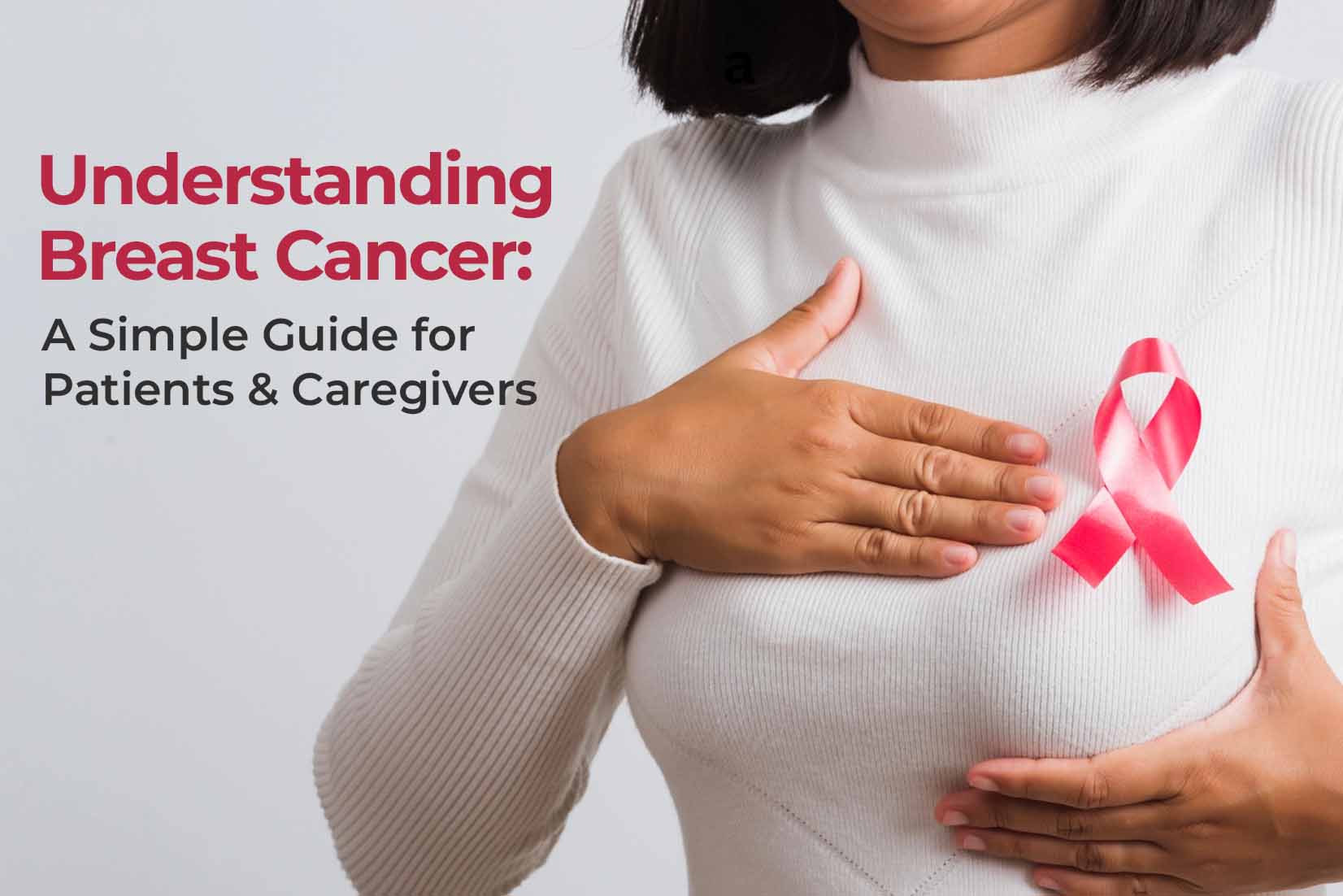
    Understanding Breast Cancer: A Simple Guide for Patients & Caregivers

    Breast cancer is the most common cancer in women and the second most common cancer globally. As per recent global statistics of 2022 around 2.3 million new cases and 6,70,000 deaths was recorded.

    However, we step in 2025 where patients have access to advanced therapies, and faster diagnostic tools. Also, early screening, awareness, and modern treatment options are increasing the survival rate. Let’s explore a simple as well as friendly explanation of everything you need to know from symptoms to recovery.

    What Is Breast Cancer? How It Develops in the Body

    When abnormal breast cells start to develop out of control, breast cancer develops. These cells usually develop in the lobules or milk ducts. In their later stages, they might grow into lumps and spread to surrounding tissues or other organs. Early detection and suitable treatment are therefore important. Additionally, a full recovery is more probable with an early diagnosis. That’s why it’s important to understand symptoms and risk factors. 

    Early Warning Signs: Symptoms You Should Never Ignore

    These are the following early warning signs:

    • Changes in breast shape or size
    • Chronic pain in any part of the breast
    • Formation of new lump in the breast or underarm
    • Skin changes similar to dimpling or “orange peel” texture
    • Redness or thickening of the skin
    • Nipple discharge
    • A nipple that suddenly turns inward
    • Unexplained swelling in one breast

    These signs may be harmless, but early checks always help.

    Major Causes & Risk Factors Behind Breast Cancer

    A lot of factors can increase the risk of developing breast cancer. Staying aware of the following can help you to take control:

    • Any women of age above 40
    • Family history of breast cancer
    • Obesity
    • Unhealthy lifestyle habits
    • Long-term use of hormone replacement therapy
    • Hormonal imbalance
    • Early menstruation or late menopause
    • High alcohol consumption
    • Genetic mutations like BRCA1 or BRCA2

    However, these factors can raise the risk, but lifestyle improvements as well as regular screenings can make a major difference.

    Types of Breast Cancer: A Simple Breakdown

    These are the following types of breast cancer:

    • Ductal carcinoma: Originates in the milk ducts
    • Triple-negative breast cancer: It lacks common receptors and grows faster
    • Lobular carcinoma: Develops in the lobules
    • HER2-positive breast cancer: Connected to increased HER2 protein
    • Hormone receptor-positive breast cancer: Responds to hormone therapy
    • Metastatic breast cancer: Cancer that spreads to other parts of the body

    Each type requires a different treatment plan therefore, proper diagnosis is important.

    Breast Cancer Stages: How Doctors Classify the Disease

    Staging helps for evaluating the spread and selecting a suitable treatment:

    • Stage 0: Very early and non-invasive stage
    • Stage I: Small tumor only in the breast region
    • Stage II: Limited lymph node involvement or a larger tumor
    • Stage III: Advanced local spread to other parts of the body
    • Stage IV: Cancer has spread to distant organs

    Regular screening is essential because early stages diagnosis have favorable outcomes.

    Diagnosis Process: Tests, Scans & Early Detection Methods

    Doctors use several tests to confirm breast cancer:

    • Clinical breast exam to feel for lumps
    • Genetic testing for inherited mutations
    • Ultrasound to check abnormal areas
    • MRI scan for detailed visualization
    • Mammography for internal imaging
    • Hormone receptor testing to plan therapy
    • MRI scan for detailed visualization
    • Biopsy to confirm cancer cells

    If breast cancer is diagnosed in early stages, treatment becomes easier and more effective.

    Latest Treatment Innovations (2025)

    The discipline of modern medicine is developing rapidly. Also, in 2025, plenty of innovative therapy options which boost survival and reduce adverse effects might become available.

    1. Targeted Therapy

    Targeted therapy focuses on specific proteins or genes that contribute to the growth of cancer. It destroys cancer cells with greater accuracy than chemotherapy.
     When treating HR-positive, HER2-negative breast cancer with PIK3CA mutations, medicines such as Piqray 150mg Tablet (alpelisib) and Alpesib 150mg Tablet are essential. They improve quality of life and prevent the progression of disease.
     Before starting medication, doctors usually conduct genetic testing as targeted therapy depends on specific mutations. 

    2. Immunotherapy

    Immunotherapy helps the immune system to become more capable of recognizing and eliminating cancer cells. It is very effective in triple-negative and advanced breast cancer. Long-term adverse effects are usually less common in case of immunotherapy.

    3. Hormone Therapy

    The production of hormones like progesterone and estrogen are decreased or inhibited by hormone treatment therapy. For hormone receptor-positive breast cancer, it’s effective well. Therefore, to reduce the risk of recurrence, many women go through it after surgery.

    4. Precision Medicine

    Precision medicine personalizes care using complete genetic information. It guarantees that each patient receives the best possible treatment while causing the least amount of harm to healthy cells.

    5. Advanced Surgical Options

    Faster recovery and fewer scars are the goals of modern surgery. Patients can recover with confidence because to methods including breast reconstruction, minimally invasive surgeries, and oncoplastic surgery.

    Traditional Treatment Approaches: Surgery, Chemo & Radiation

    Along with modern options, traditional treatments also remain important as well as irreplaceable. Most common are:

    • Surgery: Commonly prescribes in the early stages to remove tumor
    • Chemotherapy: Work by destroying fast growing cancer cells
    • Radiation therapy: It targets the remaining cells after surgery
    • Lymph node removal: Used to guide treatment and to check the spread

    Moreover, the combination of modern and traditional treatment approaches can significantly improve recovery chances.

    Living With Breast Cancer: Pain, Fatigue & Emotional Support

    Breast cancer doesn’t only affect the body but also the mind. Here are the following most common challenges:

    • Changes in appetite
    • Persistent fatigue during treatment
    • Anxiety, fear, and emotional stress
    • Pain or discomfort around the breast area
    • Sleep disturbances
    • Side effects from medicines
    • Hair loss that affects confidence
    • Relationship and lifestyle changes

    Support groups, counseling, as well as family involvement can help patients to fight better.

    Post-Treatment Care: Recovery, Diet & Long-Term Monitoring

    Life after treatment needs consistent care in the following appropriate way:

    • Maintain a healthy weight
    • Take a healthy diet
    • Manage stress through mindfulness or yoga
    • Exercise regularly to rebuild strength
    • Regular health monitoring
    • Avoid smoking
    • Limit alcohol
    • Continue recommended screenings
    • Notice any new or unusual symptoms

    Therefore, healthy habits offer support in long-term recovery with boosting overall wellness.

    Preventive Measures: Lifestyle, Screening & Self-Check Tips

    Common precautions that decrease the risk of breast cancer include:

    • Breastfeed (if possible)
    • Try to be active
    • Limit alcohol intake & avoid smoking
    • Maintain a healthy body weight
    • Do self-examinations of your breasts each month.
    • Keep an eye for any changes in your breasts.
    • Follow a healthy diet
    • Schedule routine mammograms
    • Manage hormone treatments carefully

    Simple lifestyle changes can significantly reduce the risk of breast cancer.

    Conclusion: Why Early Detection Still Saves Lives

    Early detection is the most effective way to defense against breast cancer. Diagnosis at early stage results in easier treatment, faster recovery, as well as boost survival rate. Modern targeted medicines Piqray 150mg Tablet as well as Alpesib 150mg Tablet are providing a better hope to the patients. However, most trusted option such as Globans Pharma offer life saving medicine in affordable range. Also, regular screening, awareness, and proper care can take control to move toward a cancer-free future.

    FAQs

    Q – How often should women get screened?
    Women above 40 should get annual mammograms unless advised otherwise.

    Q – Is breast pain always a sign of cancer?
    No. Pain can occur for many reasons, but persistent pain needs evaluation.

    References:

    • World Health Organization (WHO) — Breast cancer is the most common cancer in women in 157 countries – https://www.who.int/news-room/fact-sheets/detail/breast-cancer?utm_source=chatgpt.com
    • International Agency for Research on Cancer (IARC) — In 2022, breast cancer became the second most common cancer overall – https://www.iarc.who.int/cancer-type/breast-cancer?utm_source=chatgpt.com
    • World Cancer Research Fund (WCRF) — Breast cancer is the number-one cancer in women and the second most common worldwide. – https://www.wcrf.org/preventing-cancer/cancer-statistics/breast-cancer-statistics/?utm_source=chatgpt.com
    • Global Cancer Facts & Figures (American Cancer Society) — Breast cancer is the most commonly diagnosed cancer in women in the majority of countries. – https://www.cancer.org/content/dam/cancer-org/research/cancer-facts-and-statistics/global-cancer-facts-and-figures/global-cancer-facts-and-figures-3rd-edition.pdf?utm_source=chatgpt.com
    • IARC / WHO Press Release — Estimated 2.3 million new breast cancer cases and 670,000 deaths globally in 2022; confirms global burden
  • A Complete Guide to Thyroid Cancer: Causes, Diagnosis, and Latest Treatment Options

    A Complete Guide to Thyroid Cancer: Causes, Diagnosis, and Latest Treatment Options

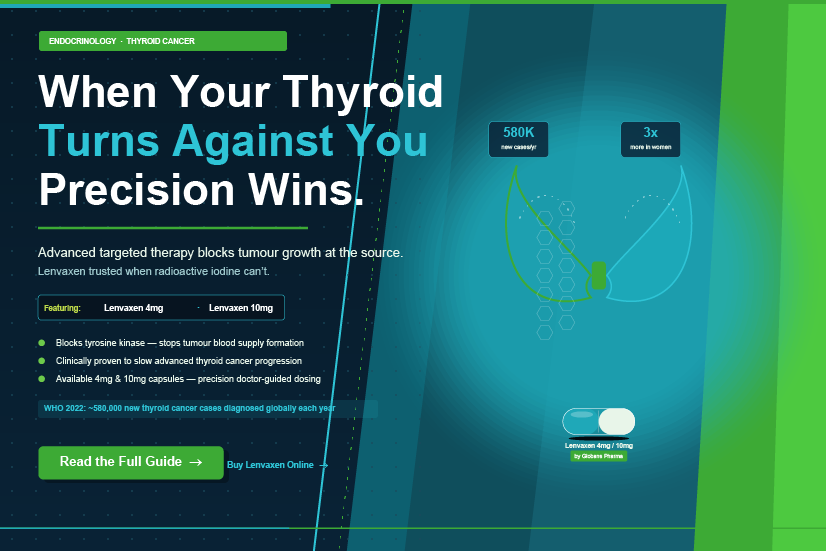
    Thyroid cancer is one of the most prevalent endocrine cancers. It is responsible for over 3% of all cancer cases worldwide. Moreover, the World Health Organization (WHO) reports that roughly 580,000 new cases are diagnosed every year globally. Women are three times more affected than males. Survival rates have risen significantly because of early detection and advances in targeted therapy. Thyroid cancer has become one of the most treatable cancers in the world when handled properly via therapies like Lenvaxen (Lenvatinib), that offer patients with advanced thyroid cancer new hope.

    What Is Thyroid Cancer?

    Thyroid gland is a butterfly shaped organ located in the neck. This gland is responsible for regulating metabolism as well as hormonal balance. When abnormal cells in this gland start growing in an uncontrolled manner, it causes thyroid cancer. Following are the four major types of cancer:

    • Papillary thyroid cancer (most common)
    • Follicular thyroid cancer
    • Medullary thyroid cancer
    • Anaplastic thyroid cancer (rare and aggressive)

    Major Causes and Risk Factors

    Following is the list of major causes and risk factors:

    Genetic factors

    • Family history
    • Genetic syndrome
    • Genetic mutations

    Radiation exposure

    • Head and neck radiation
    • Radioactive fallout

    Demographics

    • Gender
    • Age

    Pre-existing conditions

    • Thyroid conditions
    • Other conditions

    Lifestyle and environmental factors

    • Iodine Imbalance
    • Obesity
    • Hormonal factors

    Symptoms of Thyroid Cancer

    Thyroid cancer may not cause symptoms initially, but over time, patients may notice:

    Following are the common symptoms:

    • Neck lump or swelling
    • Voice changes or Hoarseness
    • Difficulty swallowing or breathing
    • Pain
    • Swollen lymph nodes
    • Chronic cough
    • Neck or throat pain

    Other potential symptoms

    • Weight loss
    •  Fatigue
    • Loss of appetite.

    Diagnosis of Thyroid Cancer

    Following are the common tests:

    • Blood tests for thyroid hormone levels
    • Physical examination of the neck
    • Fine-needle aspiration biopsy to confirm the cancerous cells
    • Ultrasound imaging to detect nodules around the neck area
    • CT or MRI scans for advanced disease confirmation or detection

    Standard Treatment Options for Thyroid Cancer

    Treatment of thyroid cancer totally depends on the type, size, and spread of the cancer.

    Following are the standard treatment options:

    a) Surgery : It is the most common treatment option generally used in early stages to remove the tumor as well as affected lymph nodes.

    b) Radioactive Iodine Therapy (RAI): This method especially used after the surgery to destroy remaining cancer cells.

    c) Hormone Replacement Therapy: Replaces thyroid hormones after surgery to maintain metabolism and stop cancer from returning again.

    d) External Beam Radiation or Chemotherapy: Mostly applied in advanced or aggressive stages of cancer when surgery and RAI are not effective.

    e) Targeted Therapy: This treatment method is most effective as it works by targeting specific mutations to block the growth of cancer cells. Also it is less toxic method as compared to the other traditional methods like chemotherapy.

    Role of Lenvaxen 4mg and 10mg Capsules in Thyroid Cancer

    This is a target therapy anticancer medicine. Doctor prescribes Lenvaxen 4mg and 10mg Capsules in the treatment of advanced thyroid cancer. It is generally used when thyroid cancer can’t be treated with radioactive iodine.

    It works by blocking the action of multiple tyrosine kinase, a protein responsible for the growth of tumor as well as cancer cells and blood vessel formation. This medicine effectively improves the survival rate in thyroid cancer patients and slows down the progression of cancer.  Hence, it is available in two strengths such as 4mg and 10mg.

    Lenvaxen Capsules: Dosage and Safety Information

    Doctor determines the dosage and duration of the treatment with this medicine as per the type & stage of cancer and overall health conditions of the patient. The usual recommended starting dose is 24 mg once daily that vary according to the patient tolerance level. It should be taken at the same time everyday, with or without food for a better result. Do not crush or chew the capsule. Patients should regularly be monitored for blood pressure, liver function, as well as thyroid levels during treatment. In addition, don’t adjust the dose on your own without informing the doctor.

    Common Side Effects and Precautions

    Like any other anticancer medicine this capsule also shows some adverse impact during the treatment.  However, most of them manage on their own without any medical attention.

    Following are the common side effects:

    • Fatigue
    • Weakness
    • High blood pressure
    • Mild stomach issues
    • Diarrhea
    •  Appetite loss
    • Hand-foot syndrome
    • Nausea
    • Weight loss

    In rare cases, serious liver or kidney complications can be seen. However, contact your doctor immediately if you observed any unusual or persistent side effect.

    Following are the precautions:

    • Avoid the consumption of this medicine during pregnancy or breastfeeding.
    • Regular check-ups are essential to monitor response as well as side effects.

    Lifestyle Tips for Thyroid Cancer Patients

    Following is the list of lifestyle tips for thyroid cancer patients:

    1. Prioritize sleep
    2. Exercise regularly
    3. Eat a balanced diet
    4. Stay hydrated
    5. Avoid unhealthy foods
    6. Avoid tobacco
    7. Regular health monitoring
    8. Seek social support
    9. Manage stress
    10. Limit toxin exposure

    Hence, by adding the above mentioned lifestyle tips you can manage this cancer easily.

    Conclusion

    In conclusion, thyroid cancer is one of the most common as well as life threatening cancers. However, it has become a highly treatable cancer with modern treatment approaches. Awareness, the right treatment plan, and early detection can significantly increase the survival rate and quality of life of patient. To buy Lenvaxen capsules online must visit the site of Globans Pharma. This pharmacy is the most reliable source of life saving drugs that offer high discount on medicines. 

    FAQ

    Q – Is thyroid cancer can be cured completely?
    Yes, most types, especially papillary and follicular are highly treatable if diagnosed early.

    Q – How does this medicine help in thyroid cancer?
    This medicine targets cancer cell growth and prevents new blood vessel formation. Furthermore, it slows down tumor progression.

    Q- Are there any food restrictions during treatment?
    Try to Avoid the consumption of excessive iodine and processed foods. However, follow your doctor’s dietary advice.

    Q – Can thyroid cancer come back after treatment?
    Yes, recurrence is possible. However, regular health monitoring and follow-up are important.

    Q – Where can I buy these capsules?
    Since You can buy Lenvaxen 4mg or 10mg capsules online from trusted platforms like Globans Pharma. In addition, they ensures authenticity along with global delivery.

    References: 

  • Target Therapy: A Breakthrough in Modern Cancer Treatment

    Target Therapy: A Breakthrough in Modern Cancer Treatment

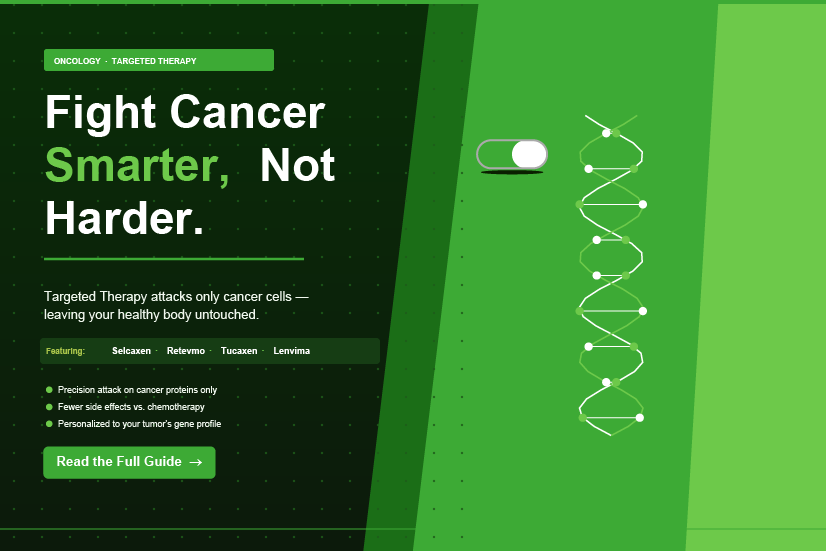
    Scientists continue to develop many cancer treatments that have shown significant benefits to patients. One treatment option is targeted therapy, which is a type of cancer treatment that uses drugs to target the specific protein that causes cancer cells to grow.

    Unlike traditional chemotherapy, which affects both cancer cells as well as healthy cells and often leads to widespread side effects such as hair loss, fatigue and nausea. Targeted therapy such as Salcaxen 40mg capsule for lung cancer, thyroid cancer and solid tumors, minimizes harm to normal tissues by acting only on specific cancer driving proteins. This article explores targeted therapy, how it works, and commonly used medications.

    What Is Target Therapy?

    Targeted therapy is a personalized medication that treats cancer directly, targeting specific proteins, mutations, features and on cancer cells. There are many types of targeted therapies:

    • The treatment targets specific biomarkers which including genes and proteins that promote the growth and survival of cancer cells.
    • Change the tissue or environment where cancer cells grow.
    • Targeted therapy also targets blood vessels that supply nutrients and oxygen to tumors helping to slow or stop the growth of cancer cells.

    How does targeted therapy work?

    Targeted drugs are different in many ways and are depending on the type of cancer cells, stage of cancer and the specific molecular changes present in the tumor. Here are some of the major ways in which targeted drugs can vary in action and effectiveness:

    • The targeted therapy delivers the toxic substances directly to cancer cells, minimizing damage to healthy cells and reducing side effects.
    • Therapy helps the immune system to identify and destroy cancer cells by enhancing the body’s natural defense to fight with the disease on their own.
    • Block the particular growth signals and blood supply to prevent the formation of new blood vessels that feed tumors.
    • Targeted therapy trigger cancer cell death by interfering with essential cellular functions such as DNA replication, key signaling pathways, cell division and thereby preventing the tumor from growing and spreading.
    • Most targeted therapies used biomarkers to identify mutations or proteins that drug can target, allowing for precise and personalized treatment of cancer.

    Benefits of Target Therapy

    The targeted therapy offers various advantages:

    • The therapy shows fewer side effects which have less impact on healthy cells as compared to chemotherapy by reducing common side effects.
    • Targeted therapy can be combined with other treatments such as chemotherapy, immunotherapy, radiation and improve the effectiveness of the treatment.
    • Doctors can combine targeted therapy with chemotherapy, immunotherapy, radiation therapy to improve the effectiveness of the treatment.
    • This is a personalized treatment drugs in which doctors select drugs based on specific gene mutation in a patient’s cancer cells, ensuring the therapy directly targets the cancer.
    • The targeted therapy also protect the body from further growing cancer in the body by interfering with the specific pathways that cancer cell rely on to survive and multiply.

    Who Needs Target Therapy?

    Targeted therapy works on every cancer that is diagnosed and it is prescribed by healthcare professional for patients whose benefits from:

    • The therapy is used by patients with specific gene mutations or proteins found in cancer cells, so patients are usually tested to see if there tumors has these markers.
    • Some patients have certain types of cancers such as breast, lung, colorectal or melanoma that can be treated with targeted drugs.
    • It is used to the patients whose cancers has not responded to traditional therapy, when chemotherapy or radiation therapy is insufficient targeted therapy improve treatment effectiveness.
    • Patients who are seeking the treatment with less side effects may opt for targeted therapy.

    Targeted therapy medications

    Retevmo 40mg Capsule

    • Doctor’s prescribed Retevmo 40mg capsule in the treatment of various types of cancers such as lung cancer, thyroid cancer and solid tumors.
    • Its generic name is Selpercatinib and it works as a targeted therapy by inhibiting specific proteins that promote the growth of cancer cells in the body.
    • The medication is generally prescribed to patients that have specific gene alteration.
    • Medicine reduce the damage to healthy cells which make it more effective during lung cancer

    Selcaxen 40mg Capsule

    • This anticancer mediation is a targeted therapy used in the treatment of lung cancer, thyroid cancer and certain solid tumors.
    • Selcaxen 40mg Capsule generic name is Selpercatinib which belongs to the drug class of kinase inhibitors which works by blocking cancer formation protein and protect the body from further growing cancer in the body.
    • Medicine show several side effects such as rash, nausea, headache and others which are common during the treatment. If the symptoms persist consult the doctor Immedietly.

    Tucaxen 150mg Tablet

    • The medication is a prescription based targeted therapy drug which works by directly focus on the cancer cells and protect healthy cells from destroying as compared to chemotherapy.
    • The Tucaxen 150mg is used to treat breast and colon or rectum cancer try to exactly as prescribed by the healthcare experts and following their instructions regarding timing and dosage.
    • Do not self administered yourself without consulting to the doctor to avoid complications during treatment.

    Lenvima 10mg Capsule

    • This is a prescription based medication which helps to destroy the cancer cells in the body without harming the normal cells.
    • Medication also show various side effects such as high blood pressure , diarrhea and increased bleeding tendency.
    • Doctors mostly prescribed Lenvima 10mg capsule as ass targeted therapy, offering patients more precise and effective treatment that improve the quality of life in patients.

    Side Effects of Target Therapy

    As chemotherapy, targeted therapy usually causes fewer side effects but like any other medication, it can still cause some reactions such as:

    • Liver function changes
    • Fatigue
    • Nausea or vomiting
    • Skin rashes or dryness
    • Diarrhea
    • Heart or lung effects
    • High blood pressure

    Consult the doctor if the symptoms worsen or if you experience any unusual or severe side effects while taking the medications.   

    Target Therapy vs other therapy

    Targeted therapy is often considered because it attacks cancer cells while sparing healthy ones:

    Effectiveness- Targeted therapy is more flexible than taking the treatment of chemotherapy as its effectiveness of directly targeting the cancer cells without damaging the healthy cells in the body.

    Side effects- It usually has less side effects as compared to chemotherapy.

    Treatment basis- The choice of the targeted therapy depends on the stage and genetic mutation or biomarkers present in the tumor, allowing for a personalized treatment approach.

    Conclusion

    Targeted therapy represents one of the first approaches in cancer treatment by focusing on specific molecules, proteins or genes that are responsible for the growth and survival of cancer cells.

    As research progresses, scientists are developing more targeted drugs such as Lenvima, Salcaxen, Retevmo, Tucaxen and others that are being developed to treat a wide range of cancers.

    Globans Pharma, a trusted online pharmacy provide targeted therapy drugs across a wide range of cancer type and making these advance treatments accessible for cancer patients.

    FAQs

    1. Does targeted therapy work the same as chemotherapy work
    Targeted therapy is completely different from chemotherapy because it directly focuses on specific molecules that drive cancer growth in patients.

    2. Who can use targeted therapy?
    Cancer patients use targeted therapy whose tumor can carry specific gene mutations and people who don’t want to face the side effects of chemotherapy.

  • Modern Targeted Therapies Transforming Solid Tumor Treatment

    Modern Targeted Therapies Transforming Solid Tumor Treatment

    What Are Solid Tumors?

    Uncontrolled cell growth in organs or glands may result in solid tumors, which are abnormal lumps of tissue. Unlike blood cancer, solid tumor produce a lump or growth that may be malignant (cancerous) or benign (non-cancerous). These tumors can develop in breast, lung, prostate, colon, ovaries, brain, pancreas, and multiple other organs.

    In today’s time, advanced targeted therapy for solid tumors provides more accurate as well as effective treatment than traditional chemotherapy. It focuses on specific proteins, genes, or pathways that promote the growth of tumors and cancer cells. Also, the latest treatment approach provides patients benefit by enhancing outcomes and fewer side effects.

    Targeted Therapy for Solid Tumors: How Modern Medicines Help

    Below are the following ways targeted therapy improves solid tumor care:

    • Targets cancer-driving genes and proteins.
    • Offers personalized treatment based on genetic results.
    • Spares healthy cells and targets only abnormal cells
    • Moderate and fewer side effects
    • Reduces tumor growth by blocking abnormal signals.
    • Works only on tumors with specific mutations.
    • Improves survival rate in advanced-stage solid tumor disease.
    • Helps shrink tumors faster than standard chemotherapy.
    • Works even when other treatment methods fail.

    Types of Solid Tumors

    Solid tumors can develop in any organ. Doctors broadly classify them into the following types:

    • Carcinoma: Most common and originates from epithelial cells, for example organs such as colon, prostate, lungs, or breast
    • Sarcoma: These type of solid tumors develops from connective tissues and supportive tissues and affects bones and soft tissues.
    • Glioma: In adults and children brain tumors such as gliomas are most common
    • Lymphoma: Usually linked with blood cancers and can form solid tumors in the lymph nodes, spleen, and other organs.
    • Germ-cell tumor: These types of tumors are mostly seen in ovaries or testes and can be seen in brain, abdomen or chest also.

    Because each solid tumor behaves differently, treatment must be tailored precisely. That is why genetic testing guides modern targeted cancer therapy for better and safer results.

    Common Symptoms of Solid Tumors

    These are the following common symptoms of solid tumors, such as:

    • Constant fatigue
    • Persistent lump or swelling
    • Pain in a specific area
    • Unexplained weight loss
    • Changes in bowel or bladder habits
    • Long-lasting fever
    • Neurological issues (for brain tumors)
    • Loss of appetite

    If any of the above symptoms stay for a longer period of time contact doctor immediately. 

    How To Diagnose Solid Tumors

    Doctor prescribes the following tests to detect solid tumors:

    • Blood tests
    • Physical examination
    • Imaging such as CT, MRI, PET scan, or ultrasound
    • Genetic and molecular testing
    • Biopsy for tissue confirmation
    • Endoscopy or colonoscopy (organ-specific)

    Why Genetic Testing Matters in Solid Tumor Treatment

    Here’s why genetic testing matters: 

    • Helps choose the right targeted therapy
    • Helps track resistance and adjust treatment
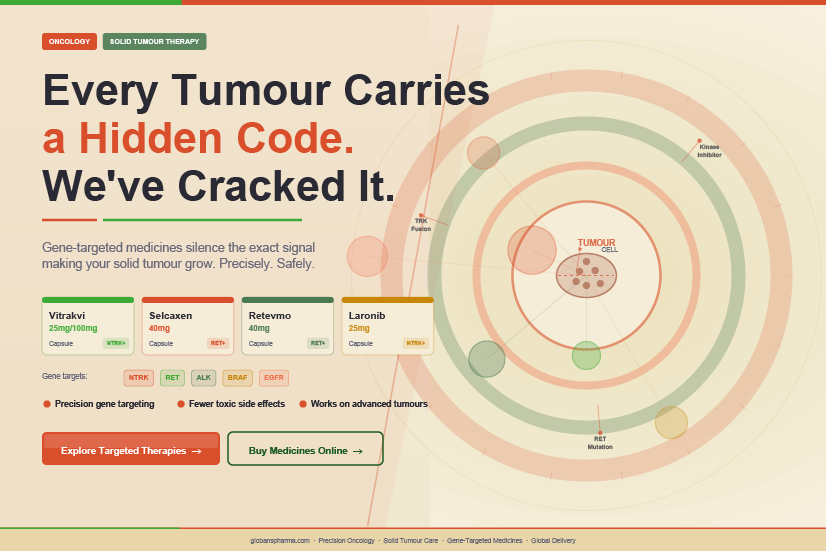
    • Identifies specific mutations like NTRK, RET, ALK, EGFR, BRAF
    • Predicts treatment response
    • Improves survival with personalized care
    • Avoids unnecessary medicines

    Vitrakvi 25mg Capsule: Targeted Therapy for TRK Fusion-Positive Solid Tumors

    Vitrakvi 25mg Capsule is a modern targeted medicine. It is prescribes to treat patients with NTRK fusion positive solid tumors. It contains larotrectinib as an active ingredient that belongs to kinase inhibitors. This medicine works by blocking the TRK fusion proteins that is responsible for uncontrolled cancer growth.

    The Result in tumors shrinking quickly, as well as symptoms improving rapidly. When the tumor cannot be removed surgically or has spread to other organs then this medicine is suitable for both children and adults. Moreover, this medicine provides a personalized treatment approach which is effective across multiple tumor types, including lung, thyroid, sarcomas, colon, and pediatric cancers.

    Vitrakvi 100mg Capsule: Precision Medicine for TRK Fusion-Positive Cancers

    Vitrakvi 100mg Capsule is a type of targeted cancer medicine with larotrectinib as an active ingredient. It is a tropomyosin receptor kinase (TRK) inhibitor that is a  higher-strength option to manage NTRK fusion-positive solid tumors. This medicine works by blocking the  TRK fusion proteins to inhibit the cancer cell multiplication.

    It prescribes to treat tumors that are advanced, metastatic, or resistant to other treatments. This medicine provides faster symptoms relief as well as long-lasting tumor control. It works for various solid tumor types which make it a true breakthrough in gene-driven cancer therapy. Additionally, it provides better tolerability to patient as compared to traditional chemotherapy.

    Selcaxen 40mg Capsule: A Modern Targeted Option for Certain Solid Tumors

    Selcaxen 40mg Capsule is a next-generation targeted therapy with selpercatinib as an active ingredient. It prescribes to treat selected solid tumor disease based on bio-marker testing. It works by blocking cancer-driving pathways helps to slow down tumor growth and reduce cancer spread. It only prescribes when genetic reports confirm specific mutations. As a result, patients receive therapy that matches their tumor biology.

    Retevmo 40mg Capsule: Precision Therapy for RET Mutation-Positive Solid Tumors

    Retevmo 40mg Capsule is a prescription based anticancer medicine with Selpercatinib as an active ingredient. It is a highly selective medicine to treat specific cancers  with RET gene mutations. It works by blocking the action of abnormal protein to slow down the growth of cancer cells and spread. It provides precise targeting and significant tumor shrinkage in lung, thyroid, and other solid tumors. As it works on genetic cause to give better outcomes with fewer side effects.

    Laronib 25mg Capsule: A Gene-Focused Treatment for Selected Solid Tumors

    Laronib 25mg Capsule is a targeted cancer medicine. It is a larotrectinib as an active ingredient which belongs to the  tropomyosin receptor kinase (TRK) inhibitor family of drugs. It treat as well as manage NTRK fusion-positive solid tumors. It works by blocking specific signaling pathways that help in grow and spread of cancer cells. It is a powerful and more personalized treatment choice after finding matching mutation.

    Benefits of Targeted Therapy for Solid Tumors

    Here are the following multiple benefits of targeted therapy for the treatment of solid tumors:

    • Lower toxicity compared to chemotherapy
    • Direct action on cancer-specific genes
    • Better long-term disease control
    • Higher tumor response rates
    • Improves quality of life
    • Personalized according to mutation
    • Supports combination with immunotherapy
    • Works in advanced or metastatic tumors

    Conclusion

    In conclusion, the future of cancer treatment has been changed by recent developments in gene-targeted cancer therapy, regardless of the variety and complexity of solid tumors. Treatments for genetic cancers now include Vitrakvi, Retevmo, Selcaxen, and Laronib.

    You can avail these medicines from Globans Pharma. As they provide genuine quality life saving drugs in affordable price range. Also, genetic testing allows to select medications that precisely match the tumor profile, improving outcomes, reducing side effects, and increasing survival rates.

    FAQs

    Q – Can targeted therapy work in metastatic cancer?
    Yes, many targeted medicines are approved for advanced and metastatic solid tumors.

    Q – Is genetic testing necessary?
    Yes, because targeted therapy only works when tumors carry certain mutations.

    Q – What is targeted therapy for solid tumors?
    It is a treatment that targets specific genes or proteins responsible for cancer growth.

    Q – Are targeted therapies safer than chemotherapy?
    Generally yes, because they act only on cancer-driving pathways.

    References

    1. National Cancer Institute – Solid Tumor Overview
    2. American Society of Clinical Oncology (ASCO) – Targeted Therapy
    3. FDA Drug Database – Vitrakvi, Retevmo Approvals
    4. NCCN Guidelines for Solid Tumor Management
    5. European Society for Medical Oncology (ESMO) – Precision Oncology Reports
  • How to Increase Low Platelet Count: Unlock the Secrets to Beat Thrombocytopenia

    How to Increase Low Platelet Count: Unlock the Secrets to Beat Thrombocytopenia

    Low platelet Count( Thrombocytopenia) impair blood clotting that leads to prolonged healing of a wound and injury. In severe cases it also leads to internal bleeding as well as hemorrhage that can be life threatening and fatal.

    Internal default mechanisms as well as certain disease conditions significantly contribute to this issue. Proper medication with Doptelet 20mg Tablet and Avapag 20mg Tablet boosts platelet production. This deep insight explores all the necessary facts associated with this issue.

    Introduction to Platelets and Their Role

    Platelets, also known as Thrombocytes, are tiny disc shaped cell fragment (Not full) produced in the bone marrow of the body. Megakaryocytes are the mother cells of Thrombocytes that produce platelets. Its normal count in the circulating blood is 150,000-450,000 per micro liter.

    Following are the major roles of Platelets in the body:

    1. Homeostasis and Clot Formation: Platelets stick to the damaged blood vessels walls via specific receptors such as GP1b-IX-V for collagen factor. It aggregated to form a cascade of fibrin fibers on the wound or injury to stop bleeding as well as starts healing.
    • Inflammation and Immunity: Thrombocytes binds to the pathogen and release cytokines/chemo kines. This forms the platelets-leukocytes aggregates to modulate monocytes in the immune system. Monocytes via antimicrobial peptide formation as well as NETosis facilitation contribute in innate immunity in the body that helps to fight against any type of disease.
    1. Wound Healing and Growth: Platelets secrete certain growth factors such as PDGF, TGF-bETA etc from alpha granules that promote tissue repair, angiogenesis as well as regeneration post-injury.

    What Is Low Platelet Count (Thrombocytopenia)?

    Thrombocytopenia is a hematologic condition that refers to low blood platelets count, typically below 150,000 per micro liter of Blood. It generally, restricts the blood’s ability to form blood clots after injury as well as heightens bleeding risk.

    Major Causes of Low Platelets

    Following are the major causes of low platelets:

    1. Increased Destruction: Immune Mediated infections or diseases or Non-Immune meditated Antigen attack of a particular disease affects the natural blood platelets formation production, in order to weaken the immune system. This makes body more susceptible to infections and other diseases.
    • Decreased Production: Bone marrow suppression from multiple therapies such as Chemotherapy, Radiation Therapy as well as Targeted Therapy greatly contributes to decrease in blood cell production. Major disorders such as Leukemia, Aplastic Anemia as well as Myelodysplatic Syndromes causes Thrombocytopenia as its major symptom. Environmental exposure to toxic chemicals as well as substance abuse also significantly contribute in the cause of Thrombocytopenia.
    • Sequestration/ Dilution: Splenomegaly from Cirrhosis, Hypersplenism (Enlargement of Spleen) Trapping Platelets, Dilution from Massive Transfusions as well as pregnancy Complications also significantly contribute in low blood platelets counts in the body.

    Early Symptoms and Warning Signs 

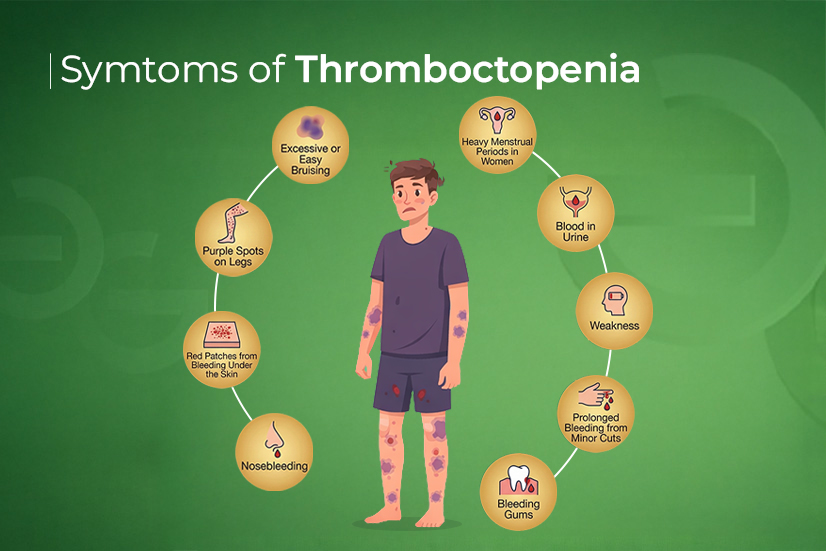
    Following are the early Symptoms and Warning Signs of Thrombocytopenia:

    • Excessive or Easy Bruising
    • Purple Spots on Legs
    • Red Patches from bleeding under the Skin
    • Nosbleeding
    • Bleeding gums
    • Prolonged Bleeding from Minor Cuts
    • Heavy Menstrual Periods in Women
    • Blood in Urine
    • Weakness

    How Low Platelets Affect the Body?

    Following are the ways in which Low Platelets affect our body:

    1. Impaired Cotting and Bleeding: Low Blood Platelets hinder the basic biological functioning of the body. it hinders the blood clot formation, causing easy bruising, red spots in skin, prolonged bleeding, heavy menstrual flow etc. All these factors lead to a prolonged body’s healing process. As a result, it disturbs body functioning.
    • Internal Bleeding Risks: Thrombocytopenia leads to blood in urine, causes internal weakness, severe headaches, confusions as well as vision changes signaling potential brain bleeding.
    • Systemetic Effects: Low Platelets majorly contributes to malaise, enlarged spleen , or life threatening complications such as Intracrancial Hemorrhage in multiple cases (<10,000 platelets/uL), increasing overall bleeding vulnerability.

    Diagnosis: How Doctors Check Platelet Levels?

    Following are the different as well as major diagnostic measures to check platelet level in the body:

    Complete Blood Count: Includes complete blood cells count to determine abnormal cell growth as well as measure platelet cells count (<150,000/uL) to detect Thrombocytopenia.

    Peripheral Blood Smear: Analyzing of cell surface via microscopic examination to detect platelet clumping, abnormal morphology etc.

    Bone Marrow Examination: Biopsy of bone marrow tissue to find out any platelet production defects in the body.

    Treatment Options for Low Platelet Count

    Following are the different treatment options for Low Platelet Count:

    Treat Underlying Cause: It involves the treatment of the underlying cause of low platelets such as Cancer, Hepatitis infection, HIV infection, Pregnancy Complications etc.

    Advanced Therapies: Includes Platelets Transfusions for active bleeding as well as Plasma Exchange for chronic condition. 

    Medications: Doctor mainly prescribes thrombopoetin receptor agonists based medications such as Doptelet 20mg Tablet and Avapag 20mg Tablet to boosts platelet production in the bone marrow.

    Doptelet 20mg Tablet

    • It treats thrombocytopenia in adults with Chronic Immune Thrombocytopenia (ITP) refractory to other therapies or liver diseases.
    • Avatrombopag salt acts as a Thrombopoietin receptor agonist, promoting bone marrow to produce more blood platelets.
    • Side effects include Headache, Nausea, Joint Pain, Bleeding, Blood Clots, Severe Allergic reaction etc.

    Avapag 20mg Tablet

    • It treats Low Platelets Counts ( Thrombocytopenia) in adults with Chronic Immune Thrombocytopenia (ITP) refractory to other therapies, Liver Infection or other Liver Diseases.
    • Avatrombopag salt acts as a Oral Thrombopoietin receptor agonist, promoting Megakaryocyte proliferation and differentiation in bone marrow to boost platelet production.
    • Side effects of Avapag 20mg Tablet include Fever, respiratory Tract infection, Edema, Joint Pain, Pulmonary Embolism, Unusual Bleeding, Shortness of Breath etc.
    Symptoms of 
Thrombocytopenia

    Diet and Lifestyle to Support Platelet Health

    Following are the diet and lifestyle tips to support platelet health:

    • Eat Nutrient Rich Food such as Leafy greens vegetables, cereals etc.
    • Regular Exercises
    • Avoid High Sugar and Processed Meat Items
    • Stay Hydrated
    • Take Adequate Rest
    • Manage Stress
    • Avoid Substance Abuse
    • Go for Regular Health Check ups

    Conclusion

    To conclude, Thrombocytopenia, or low platelet counts, hinders blood clotting, contributing to prolonged healing and significant health risks. Causes include increased platelet destruction, decreased production due to conditions like leukemia, or spleen sequestration.

    Symptoms may manifest as bruising, bleeding gums, and blood in urine. Diagnosis is done through methods like Complete Blood Count (CBC) and bone marrow examination. Treatment focuses on underlying issues, platelet transfusions, and medications such as Doptelet and Avapag, which may cause side effects like headaches and allergic reactions.

    A healthy lifestyle with proper nutrition, exercise, and stress management is advised to maintain platelet health. To get heavy discount on medications, visit Globans Pharma now. It offers pan global delivery from trusted sources.

    FAQs

    1. What is the scientific name of platelets?

    Thrombocytes is the scientific name of platelets.

    2. What is Thrombocytopenia?

    Thrombocytopenia is a hematologic condition that refers to low blood platelets count, typically below 150,000 per micro liter of Blood.

    References

    Low platelet count(Thrombocytopenia) – Symptoms and causes – Mayo Clinic – https://www.mayoclinic.org/diseases-conditions/thrombocytopenia/symptoms-causes/syc-20378293

    Thrombocytopenia Guide: Causes, Symptoms and Treatment Options – https://www.drugs.com/health-guide/thrombocytopenia.html

    Thrombocytopenia (Low Platelet Count): Symptoms and Treatment – https://www.health.com/thrombocytopenia-7557831

    List of 18 Thrombocytopenia Medications Compared – https://www.drugs.com/condition/thrombocytopenia.html