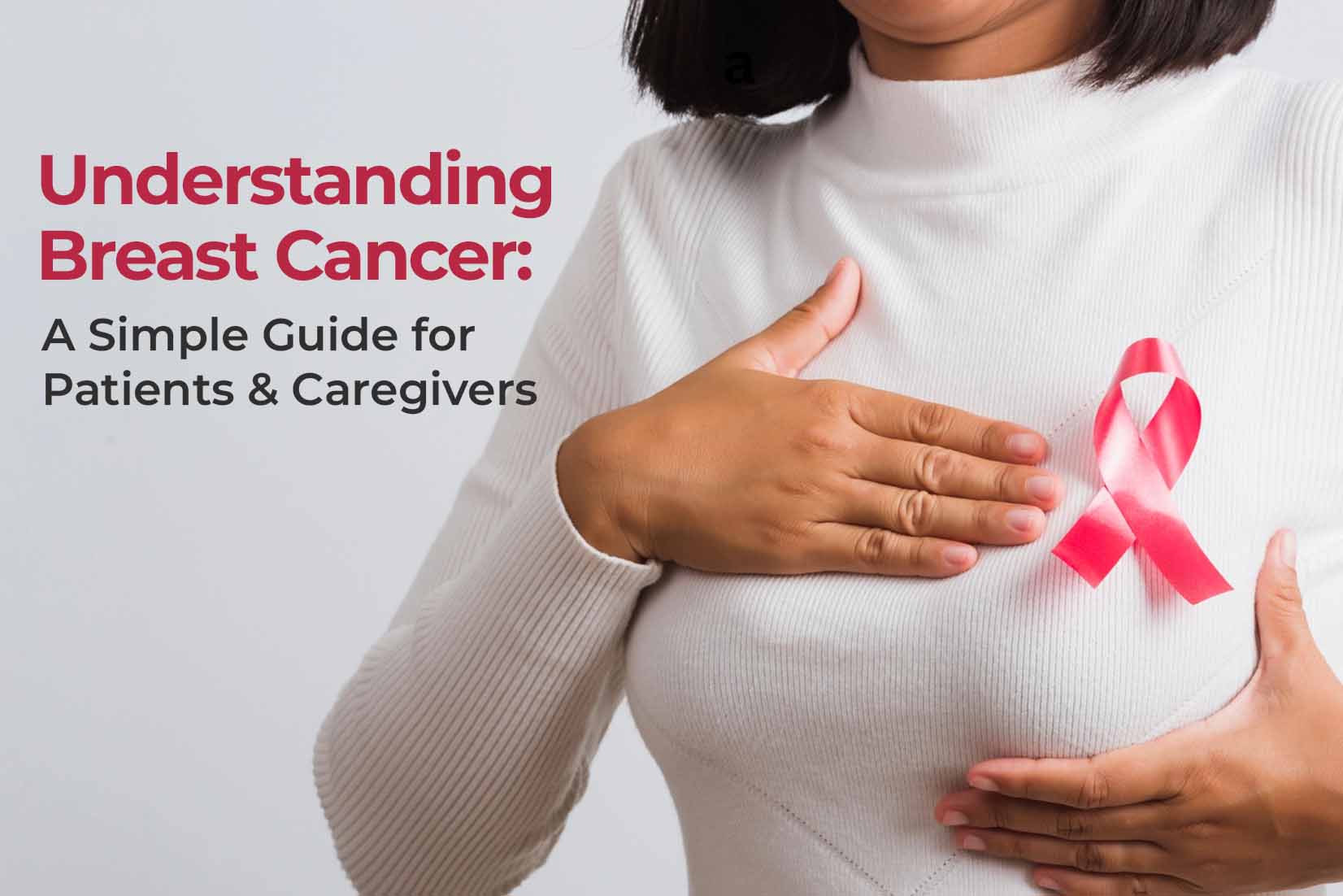
Breast cancer is the most common cancer in women and the second most common cancer globally. As per recent global statistics of 2022 around 2.3 million new cases and 6,70,000 deaths was recorded.
However, we step in 2025 where patients have access to advanced therapies, and faster diagnostic tools. Also, early screening, awareness, and modern treatment options are increasing the survival rate. Let’s explore a simple as well as friendly explanation of everything you need to know from symptoms to recovery.
What Is Breast Cancer? How It Develops in the Body
When abnormal breast cells start to develop out of control, breast cancer develops. These cells usually develop in the lobules or milk ducts. In their later stages, they might grow into lumps and spread to surrounding tissues or other organs. Early detection and suitable treatment are therefore important. Additionally, a full recovery is more probable with an early diagnosis. That’s why it’s important to understand symptoms and risk factors.
Early Warning Signs: Symptoms You Should Never Ignore
These are the following early warning signs:
- Changes in breast shape or size
- Chronic pain in any part of the breast
- Formation of new lump in the breast or underarm
- Skin changes similar to dimpling or “orange peel” texture
- Redness or thickening of the skin
- Nipple discharge
- A nipple that suddenly turns inward
- Unexplained swelling in one breast
These signs may be harmless, but early checks always help.
Major Causes & Risk Factors Behind Breast Cancer
A lot of factors can increase the risk of developing breast cancer. Staying aware of the following can help you to take control:
- Any women of age above 40
- Family history of breast cancer
- Obesity
- Unhealthy lifestyle habits
- Long-term use of hormone replacement therapy
- Hormonal imbalance
- Early menstruation or late menopause
- High alcohol consumption
- Genetic mutations like BRCA1 or BRCA2
However, these factors can raise the risk, but lifestyle improvements as well as regular screenings can make a major difference.
Types of Breast Cancer: A Simple Breakdown
These are the following types of breast cancer:
- Ductal carcinoma: Originates in the milk ducts
- Triple-negative breast cancer: It lacks common receptors and grows faster
- Lobular carcinoma: Develops in the lobules
- HER2-positive breast cancer: Connected to increased HER2 protein
- Hormone receptor-positive breast cancer: Responds to hormone therapy
- Metastatic breast cancer: Cancer that spreads to other parts of the body
Each type requires a different treatment plan therefore, proper diagnosis is important.
Breast Cancer Stages: How Doctors Classify the Disease
Staging helps for evaluating the spread and selecting a suitable treatment:
- Stage 0: Very early and non-invasive stage
- Stage I: Small tumor only in the breast region
- Stage II: Limited lymph node involvement or a larger tumor
- Stage III: Advanced local spread to other parts of the body
- Stage IV: Cancer has spread to distant organs
Regular screening is essential because early stages diagnosis have favorable outcomes.
Diagnosis Process: Tests, Scans & Early Detection Methods
Doctors use several tests to confirm breast cancer:
- Clinical breast exam to feel for lumps
- Genetic testing for inherited mutations
- Ultrasound to check abnormal areas
- MRI scan for detailed visualization
- Mammography for internal imaging
- Hormone receptor testing to plan therapy
- MRI scan for detailed visualization
- Biopsy to confirm cancer cells
If breast cancer is diagnosed in early stages, treatment becomes easier and more effective.
Latest Treatment Innovations (2025)
The discipline of modern medicine is developing rapidly. Also, in 2025, plenty of innovative therapy options which boost survival and reduce adverse effects might become available.
1. Targeted Therapy
Targeted therapy focuses on specific proteins or genes that contribute to the growth of cancer. It destroys cancer cells with greater accuracy than chemotherapy.
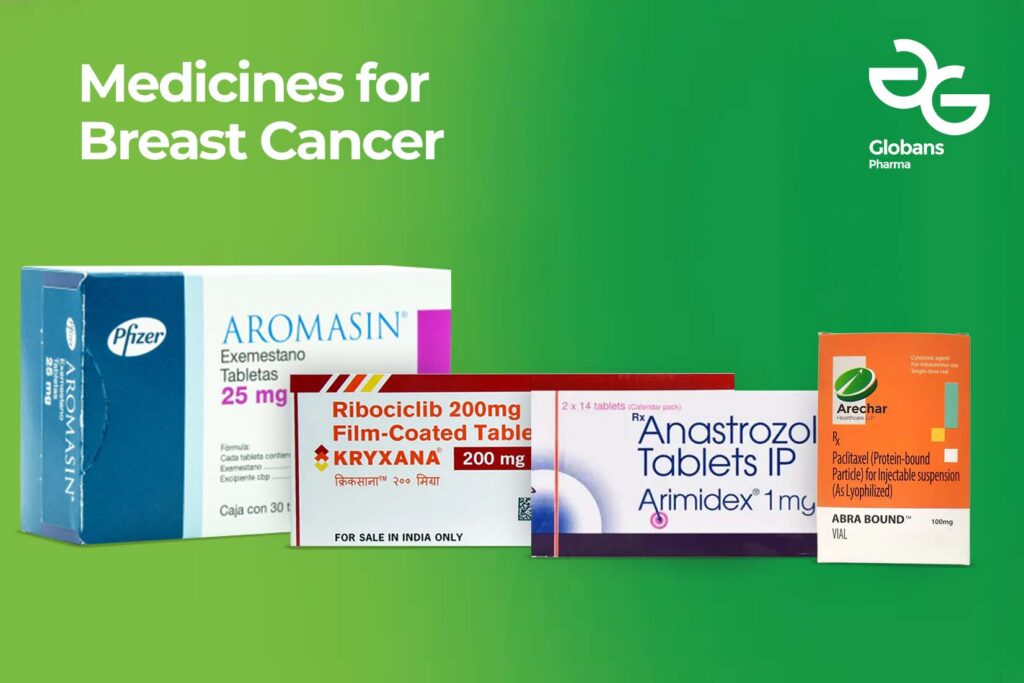
When treating HR-positive, HER2-negative breast cancer with PIK3CA mutations, medicines such as Piqray 150mg Tablet (alpelisib) and Alpesib 150mg Tablet are essential. They improve quality of life and prevent the progression of disease.
Before starting medication, doctors usually conduct genetic testing as targeted therapy depends on specific mutations.
2. Immunotherapy
Immunotherapy helps the immune system to become more capable of recognizing and eliminating cancer cells. It is very effective in triple-negative and advanced breast cancer. Long-term adverse effects are usually less common in case of immunotherapy.
3. Hormone Therapy
The production of hormones like progesterone and estrogen are decreased or inhibited by hormone treatment therapy. For hormone receptor-positive breast cancer, it’s effective well. Therefore, to reduce the risk of recurrence, many women go through it after surgery.
4. Precision Medicine
Precision medicine personalizes care using complete genetic information. It guarantees that each patient receives the best possible treatment while causing the least amount of harm to healthy cells.
5. Advanced Surgical Options
Faster recovery and fewer scars are the goals of modern surgery. Patients can recover with confidence because to methods including breast reconstruction, minimally invasive surgeries, and oncoplastic surgery.
Traditional Treatment Approaches: Surgery, Chemo & Radiation
Along with modern options, traditional treatments also remain important as well as irreplaceable. Most common are:
- Surgery: Commonly prescribes in the early stages to remove tumor
- Chemotherapy: Work by destroying fast growing cancer cells
- Radiation therapy: It targets the remaining cells after surgery
- Lymph node removal: Used to guide treatment and to check the spread
Moreover, the combination of modern and traditional treatment approaches can significantly improve recovery chances.
Living With Breast Cancer: Pain, Fatigue & Emotional Support
Breast cancer doesn’t only affect the body but also the mind. Here are the following most common challenges:
- Changes in appetite
- Persistent fatigue during treatment
- Anxiety, fear, and emotional stress
- Pain or discomfort around the breast area
- Sleep disturbances
- Side effects from medicines
- Hair loss that affects confidence
- Relationship and lifestyle changes
Support groups, counseling, as well as family involvement can help patients to fight better.
Post-Treatment Care: Recovery, Diet & Long-Term Monitoring
Life after treatment needs consistent care in the following appropriate way:
- Maintain a healthy weight
- Take a healthy diet
- Manage stress through mindfulness or yoga
- Exercise regularly to rebuild strength
- Regular health monitoring
- Avoid smoking
- Limit alcohol
- Continue recommended screenings
- Notice any new or unusual symptoms
Therefore, healthy habits offer support in long-term recovery with boosting overall wellness.
Preventive Measures: Lifestyle, Screening & Self-Check Tips
Common precautions that decrease the risk of breast cancer include:
- Breastfeed (if possible)
- Try to be active
- Limit alcohol intake & avoid smoking
- Maintain a healthy body weight
- Do self-examinations of your breasts each month.
- Keep an eye for any changes in your breasts.
- Follow a healthy diet
- Schedule routine mammograms
- Manage hormone treatments carefully
Simple lifestyle changes can significantly reduce the risk of breast cancer.
Conclusion: Why Early Detection Still Saves Lives
Early detection is the most effective way to defense against breast cancer. Diagnosis at early stage results in easier treatment, faster recovery, as well as boost survival rate. Modern targeted medicines Piqray 150mg Tablet as well as Alpesib 150mg Tablet are providing a better hope to the patients. However, most trusted option such as Globans Pharma offer life saving medicine in affordable range. Also, regular screening, awareness, and proper care can take control to move toward a cancer-free future.
FAQs
Q – How often should women get screened?
Women above 40 should get annual mammograms unless advised otherwise.
Q – Is breast pain always a sign of cancer?
No. Pain can occur for many reasons, but persistent pain needs evaluation.
References:
- World Health Organization (WHO) — Breast cancer is the most common cancer in women in 157 countries – https://www.who.int/news-room/fact-sheets/detail/breast-cancer?utm_source=chatgpt.com
- International Agency for Research on Cancer (IARC) — In 2022, breast cancer became the second most common cancer overall – https://www.iarc.who.int/cancer-type/breast-cancer?utm_source=chatgpt.com
- World Cancer Research Fund (WCRF) — Breast cancer is the number-one cancer in women and the second most common worldwide. – https://www.wcrf.org/preventing-cancer/cancer-statistics/breast-cancer-statistics/?utm_source=chatgpt.com
- Global Cancer Facts & Figures (American Cancer Society) — Breast cancer is the most commonly diagnosed cancer in women in the majority of countries. – https://www.cancer.org/content/dam/cancer-org/research/cancer-facts-and-statistics/global-cancer-facts-and-figures/global-cancer-facts-and-figures-3rd-edition.pdf?utm_source=chatgpt.com
- IARC / WHO Press Release — Estimated 2.3 million new breast cancer cases and 670,000 deaths globally in 2022; confirms global burden
Leave a Reply